


- Home
- Trim & Molding Restoration
Trim & Molding Restoration
Trim & Molding Restoration in Auburn & Nearby Communities
Interior trim gives rooms a finished look, but scuffs and worn details stand out over time. Victory Painting & Restoration offers molding and trim work alongside painting and restoration.
We discuss the condition of your trim and what is included in the project. Preparation and repair help create a cleaner foundation for the finish. Coordinating trim work with walls and ceilings can give a room a more consistent appearance.
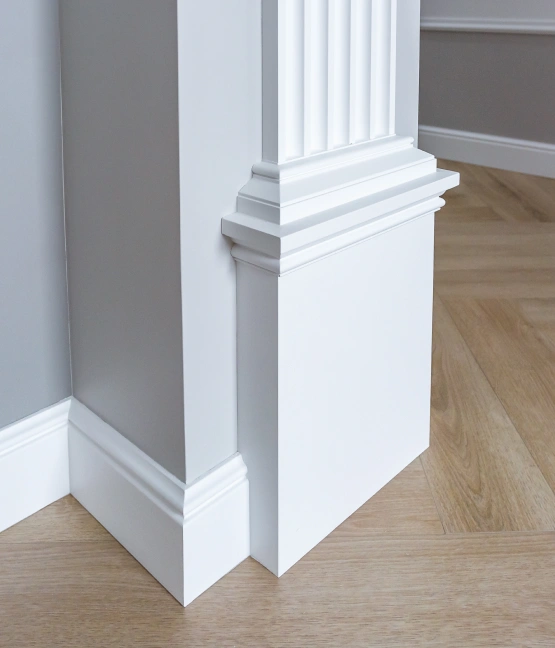
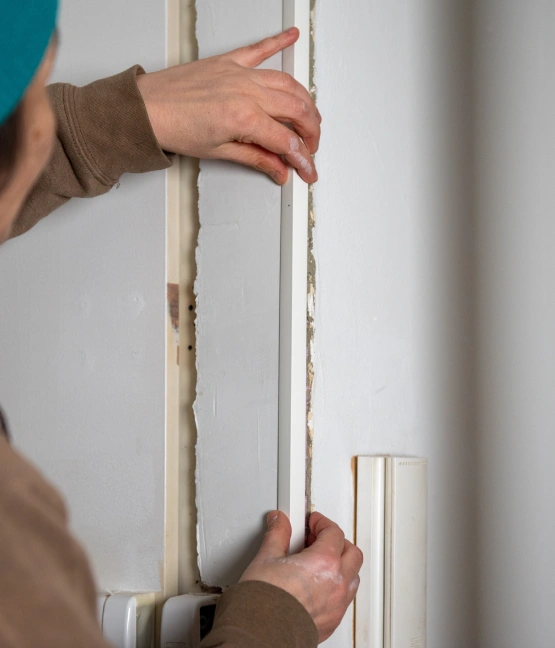
Restore the details that connect a room
Baseboards and moldings
Scuffs, chipped edges and worn paint can make otherwise finished rooms look uneven. List the baseboards and moldings you want assessed and explain which details should remain as they are. Preparation and repair requirements depend on the condition of the individual pieces.
Door and window trim
Trim around doors and windows should be considered alongside adjoining walls and fixed finishes. Define the surfaces to be painted or restored, including edges and transitions. Photograph damaged areas and existing repairs so the scope identifies the preparation needed before a coordinated finish.
Painted finishes and other woodwork
A trim repaint and a stained wood update are different requests. Discuss the existing coating and the appearance you want before assuming one finish can be applied throughout. Cabinetry or more extensive millwork can be considered through the dedicated cabinet and millwork page.
Coordinate trim with walls and everyday use
If walls or ceilings are being painted, decide how their finishes relate to the trim. Room transitions and doorways provide useful boundaries for the scope. Specify the details you want retained, and include repairs before finalizing color and sheen decisions for the rest of the space.
Trim work takes place close to floors, furniture and working doors. Explain which areas must stay accessible and which belongings affect setup. Indoor timing can be discussed during the rainy season, but drying and handling requirements still depend on the finish being used.
A clear plan from preparation to finish
01
Identify the woodwork
We review the pieces to be restored, their condition and the finish you want. Repair areas and the boundaries with walls and doors are discussed before work begins.
02
Prepare the agreed details
Nearby surfaces are protected while the identified trim is prepared and finished. Repairs and coating work follow the scope appropriate to the existing material.
03
Review edges and transitions
We review the agreed woodwork and its relationship to adjoining surfaces. Handling and cleaning guidance is discussed for the new finish.
Details that help us prepare your estimate
Provide photographs of the room as well as close views of worn or damaged trim. List baseboards, moldings and door or window surrounds separately. Describe the current finish, desired change and any related room painting so the quote reflects the actual details involved.
Explore related services: millwork staining and cabinet finishes · coordinated interior painting · adjacent wall repairs. Send your address to confirm service-area availability.
Trim & Molding Restoration questions
Baseboards, moldings and door or window trim can be included in the enquiry. List the specific pieces and photograph wear or damage so the required scope can be assessed.
Yes, describe both. Define the surfaces and finish boundaries so preparation, protection and the order of work can be coordinated.
Their condition needs review. Existing coatings, damage and previous repairs affect the preparation required; painting should follow the agreed surface work.
The existing material and coating need assessment first. Explain the finish you want and review the dedicated millwork service for a broader staining or painting request.
Cabinet refinishing has its own service page and preparation considerations. Include cabinetry explicitly in your enquiry so it is assessed alongside any trim work.
Indoor trim projects can be discussed during rainy months. Room access, suitable drying conditions and handling of newly finished details remain part of the plan.
Let’s talk about your project.
Tell us what you have in mind. We’ll discuss the surfaces, preparation and timing, then help you plan the next step.